On Air Now
Early Breakfast with Lucy Coward 4am - 6:30am
20 August 2024, 10:40
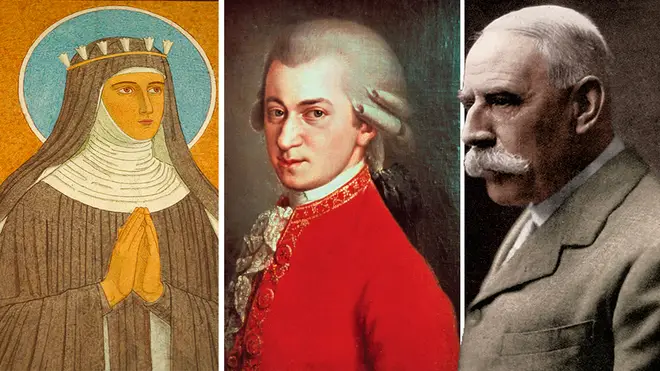

Introducing you to the most famous classical composers in music history, who have brought us the very best classical tunes ever written.
Classical music history is full of pioneers, practice-devotees and plenty of geniuses.
We’ve done our utmost, below, to distil these great men and women into a list of 30 of the very best.
These composers will give you the greatest introduction to classical music possible, so, without further ado…
Read more: The 15 most famous tunes in classical music
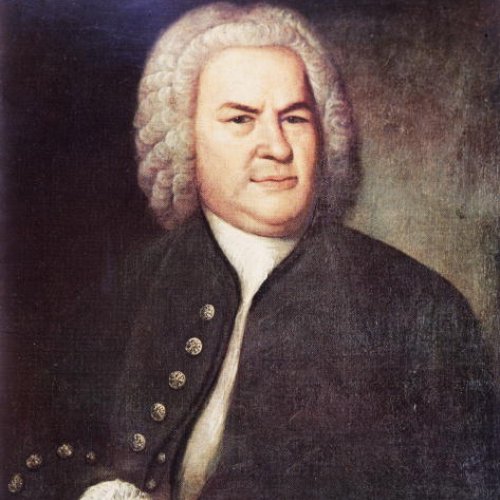
Bach is the definitive Baroque composer. If you have sublime Bach you don’t need the others (and we’re only half kidding).
Born in 1685 in Eisenach in Germany, Bach was a prolific composer, organist, harpsichordist, violist, and violinist.
The music he wrote spanned forces – from solo instrumental works, such as the Cello Suites (below), to huge sacred choral pieces, instrumental concertos like the Brandenburg Concertos, and collections of keyboard music, including The Well-Tempered Clavier, that pushed contemporaneous instruments to their limits.
Read more: 10 of Bach’s all-time best pieces of music
See Me- A Global Concert - World Economic Forum
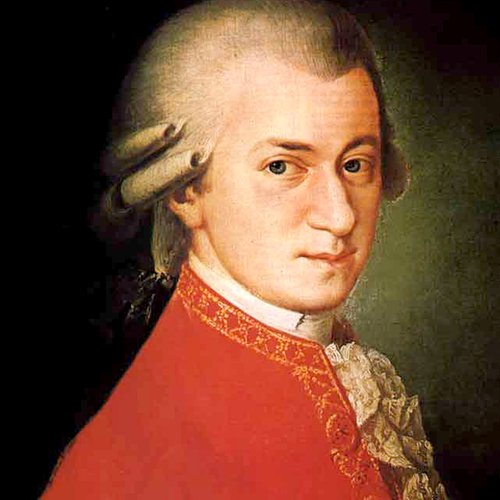
Continuing the tradition of names with three words and four well-formed syllables in the middle one, is the child prodigy and all-round genius, Mozart.
Composing in, and defining, the Classical era, Mozart wrote 41 symphonies, numerous concertos, revolutionary Italian operas including The Marriage of Figaro and Cosí fan tutte, and chamber works that are loved as much by audiences today as when they were composed.
He had a tragically short life: after his incredibly successful career, Mozart sadly died at just 35 years old, leaving behind his profound, and profoundly beautiful, Requiem.
Read more: 10 life-changing pieces of music by Wolfgang Amadeus Mozart
Marriner at 90: Mozart Piano Concerto No. 20
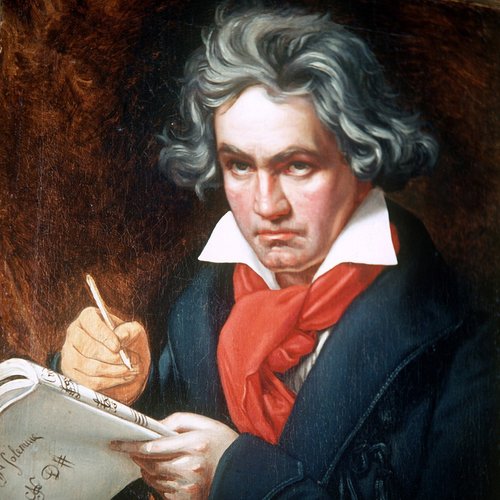
Beethoven’s name is widely interchanged with the phrase ‘greatest composer who ever lived’. And we’re okay with that.
Beethoven, who composed in classical music’s Romantic era, absolutely revolutionised orchestral music with his Third ‘Eroica’ Symphony, writing music that captured the inner struggle of the individual alongside the sheer joy of life.
According to Beethoven expert and Classic FM presenter, John Suchet, “A good Beethoven performance should turn your knuckles white from gripping the arms of your seat, your nerves shredded, but leaving you imbued with a feeling of exhilaration and triumph — as well as deep love and admiration.” Yep.
Read more: The 20 greatest Beethoven works of all time
Beethoven's 5th, conducted by a 3-year-old boy
Jumping back in time, and way back to medieval times, let’s meet Hildegard von Bingen. She was a saint, poet and composer who in her lifetime was one of the most influential women in Europe.
She wrote really expressive music that broke boundaries in her time. And she was a rare figure of the Middle Ages in leaving behind manuscripts of her songs – it meant that on around the 800th anniversary of her birth, the music community was able to rediscover her work and revive her songs.
Read more: Explore the life and music of great composer, Hildegard von Bingen
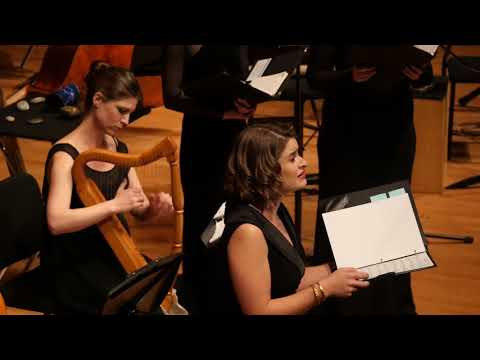
Hildegard von Bingen: Hymns and Songs (12th century)
Italian late-Renaissance, early-Baroque composer and instrumentalist Monteverdi was the king of the madrigal, writing nine books of them, and the father of the operatic form as we really think of it today.
His 1607 opera, L’Orfeo, ushered in a new era of opera, widening the spectrum of emotions, boasting huge scenery and pedalling intriguing plotlines. L'Orfeo tells the mythical tale of Orpheus, a musician who attempted to rescue his wife from the land of the dead, only to be thwarted by love.
Read more: 10 of the world’s all-time great opera composers
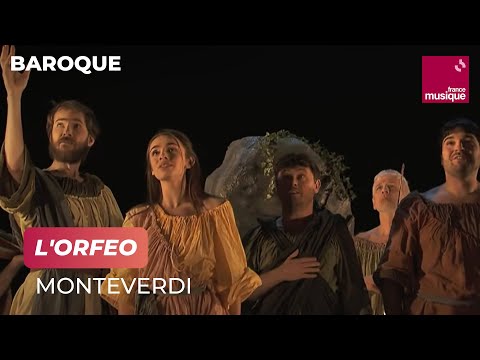
Monteverdi : L'Orfeo (Les Arts Florissants / Paul Agnew / Cyril Auvity /Léa Desandre...)
George Frideric Handel was a German-British Baroque composer, famous for his operas, oratorios, anthems and organ concertos.
Most music lovers have encountered Handel through Christmas-time renditions of the Messiah’s ‘Hallelujah’ Chorus, or his enduringly popular Music for the Royal Fireworks.
Mezzo sings a gigantic 72-note Handel phrase **in one breath**
Vivaldi, one of the most productive composers of the Baroque era, wrote an astonishing 500 concertos – including the still oft-heard Four Seasons, four violin concertos that each depict one season of the year.
The work is as fresh and colourful today, somehow, as it must have been when it was heard by Vivaldi’s contemporaries, such was his mastery of melody, harmony and scoring.

'Summer' from Vivaldi's The Four Seasons – on Bandura and Button accordion
Impressionist master, Debussy, brought colours to music previously not heard, and his large-scale works like Prélude à l’après midi d’une faune helped transform music at the turn of the century.
The French composer was responsible for the utterly transporting opera Pelléas et Mélisande, and enduring piano favourite, Clair de Lune.
Read more: 10 of Claude Debussy’s greatest pieces of music
Manny Vass - Clair de Lune
This 19th-century Russian great gave us Swan Lake, The Nutcracker and Sleeping Beauty – and off the ballet stage, epic symphonies and concertos, as well as enduring orchestral works. This includes the 1812 Overture, of which Tchaikovsky purportedly wasn’t as much of a fan, as the whole world since.
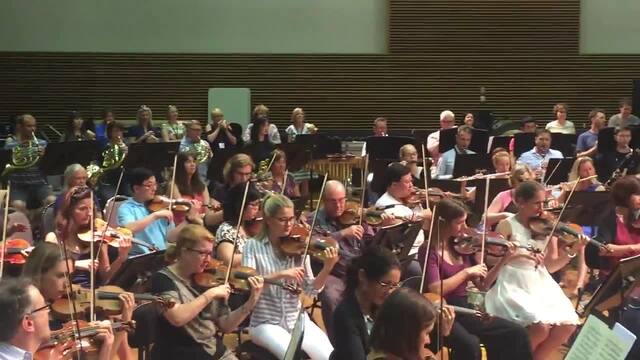
1812 Overture – with paper bags
Going back to the Classical era, and Haydn is the first of the trio of composers that get called the ‘Viennese School’ – alongside Mozart and Beethoven.
The Austrian composer was the son of a steelmaker, and went on to become the ‘father’ of the symphony – he wrote 107 of them, alongside the 83 string quartets, 45 piano trios, 62 piano sonatas, 14 masses and 26 operas, all that define the formal Classical style of Vienna.
Read more: What is the Viennese School, and why do classical people say it?
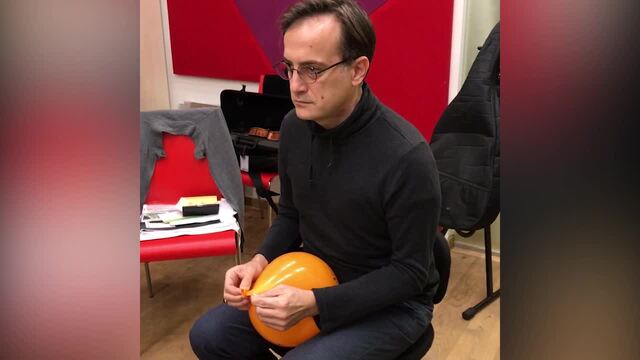
Haydn’s string quartet, but the violist is a balloon
Schumann’s piano music, chamber music and symphonies were all revolutionary and, picking up the baton from Beethoven, set the tone for the Romantic era in music.
Also a music critic, Schumann co-founded one of the most influential musical publications, the Neue Zeitschrift für Musik, writing many of the articles himself under the pseudonyms Florestan and Eusebius.

Schumann: Kinderszenen for 2 hands and a kitten
English composer Edward Elgar managed to capture whole landscapes, national moods and deep emotional complexity in his music, all at the same time.
He’s remembered and revered for the Enigma Variations, the Pomp and Circumstance Marches, his concertos for violin and cello, and two symphonies.
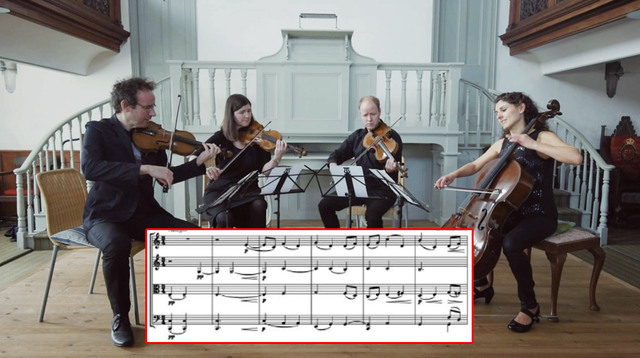
Elgar's Nimrod – Carducci Quartet
Verdi, for many, is quite simply the greatest Italian opera composer who ever lived.
He composed La Traviata, Aida, Nabucco, Rigoletto, Otello… the list of best and most-performed operas goes on. And his arias, ‘La donna è mobile’ and ‘Si Un Jour’ remain favourites still today.
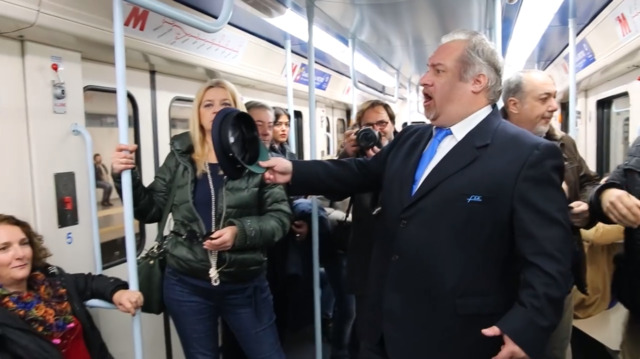
Incredible moment opera chorus bursts into a Verdi melody on Italian metro
Sticking with opera, and born in the same year as Verdi (see above) was Richard Wagner.
Few people contend with this great German composer when it comes to the sheer extent to which he revolutionised the artform. In the 19th century, Wagner created epic operas unmatched in their length and ambition in Tristan und Isolde and The Ring (a cycle of four long operas) among other monumental works.
He built his own opera house, Bayreuth, to host his epic creations and also invented the ‘leitmotif’, a musical device that sees certain melodies or themes composed to depict specific characters or ideas – something that would persist in opera, and beyond to film scoring, in works by the likes of Hans Zimmer and John Williams.
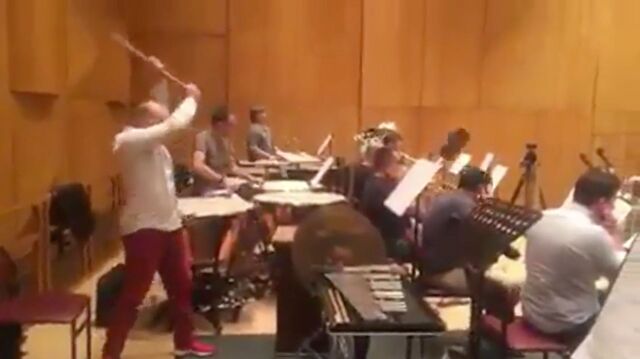
Wagner percussion FAIL!
Another Richard, this one Strauss – and not to be confused with the Johannes Strausses I and II, who were pre-occupied with waltzes and light music – also made a mark with opera.
His one-act opera Salome, which premiered in 1905, shocked the classical music establishment with its erotic and murderous themes, set against a religious context, and got itself banned through censorship for a time.
His other big works include the orchestral works Also Sprach Zarathustra and Don Quixote.
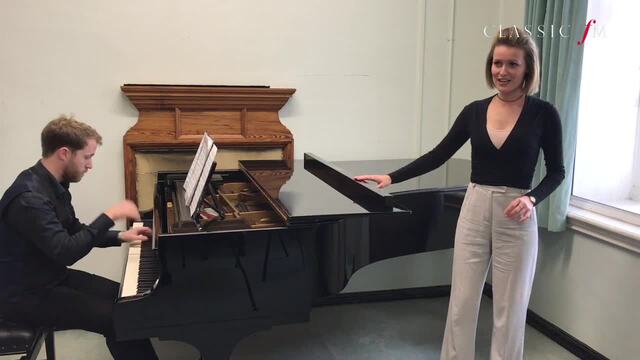
Milly Forrest sings Standchen by Strauss
Austrian composer Mahler believed “the symphony must be like the world; it must embrace everything.” And the symphony is what he’s remembered for.
He wrote 10 symphonies, as well as many Romantic ‘lieder’, songs exploring existentialism, love and loss in the German tradition for solo voice and piano accompaniment.
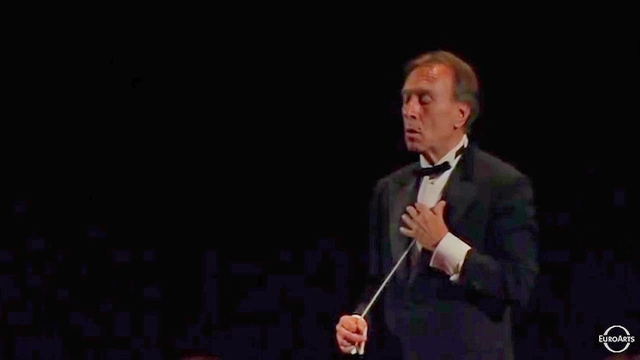
The INTENSE silence at the end of Mahler’s Ninth Symphony
Another composer of lieder was Franz Schubert.
He was also Austrian, like Mahler (above), and composed in the generation before Mahler.
In his relatively short life, Schubert composed prolifically, producing over 600 songs, and around eight (we say ‘around’ as there were some unfinished ones, with up to thirteen in all) great symphonies.
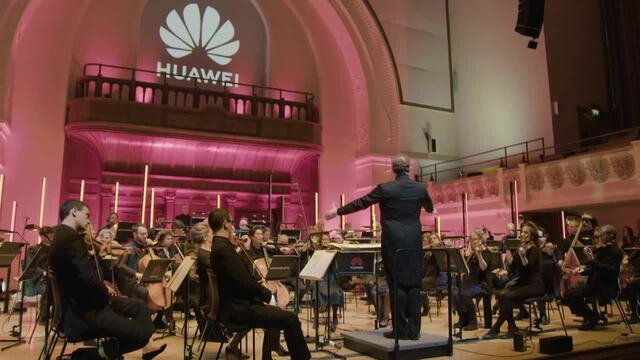
Schubert's Unfinished Symphony – finished by AI
French composer Saint-Saëns was one of the most gifted polymaths in musical history.
As well as being a composer, virtuoso pianist and organist, and conductor, he was multilingual, a consulted authority on literature and the arts in general, a notable author and poet, and – perish the thought he should ever get bored – he pursued archaeology and astronomy in his free time.
He was also capable of sight-reading pretty much anything, and works like Danse Macabre remain go-tos for music lovers and film scorers alike.
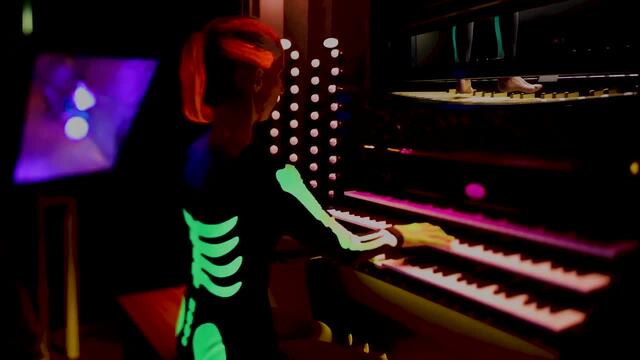
Saint-Saëns's Danse Macabre by Fluterscooter
On 29 May 1913, at a theatre in Paris, a riot broke out in front of a ballet’s world premiere. The ballet in question was The Rite of Spring, with music by revolutionary composer Igor Stravinsky and choreography by the just-as-revolutionary Sergei Diaghilev.
Too revolutionary, then and there, perhaps, but absolutely genre-defining and history-making in the overall picture of classical music. Stravinsky was a genius whose Rite, and works like The Firebird and Petrushka, sound as unexpected and spectacular today as they did at the turn of the century.
Read more: This is what REALLY happened at The Rite of Spring riot in 1913

Igor Stravinsky meets the Teletubbies in incredible mashup of 'The Rite of Spring'
Chopin was a great Romantic composer and keyboard virtuoso. His solo piano music remains some of the finest there is, his seminal works being his preludes, nocturnes and virtuosic waltzes.
He maintained a very expensive lifestyle, by all accounts, and kept it up by giving piano lessons to Paris’s wealthiest people. He never liked the idea of asking them for money, though, so would look away while they left the fee on his mantelpiece.
Read more: 10 of the best Romantic composers in classical music history
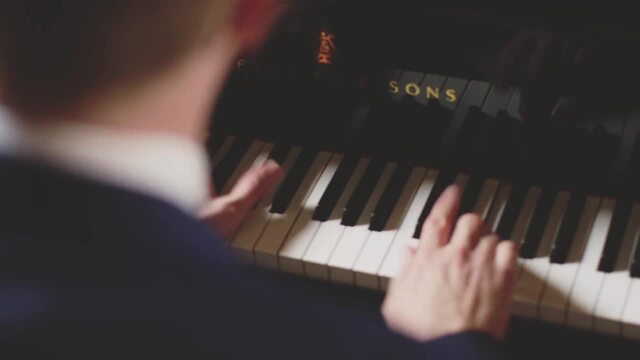
Warren Mailey-Smith plays Chopin's 'Minute' Waltz
Ralph Vaughan Williams was one of the most important composers of the 20th century.
The English composer drew on the influences of English folk song and Tudor polyphony, and he was at the centre of reviving British orchestral music over a career that spanned more than six decades.
His orchestral works The Lark Ascending and Fantasia on a Theme by Thomas Tallis, as well as his symphonies, remain incredibly popular with audiences today, often dominating top spots in the annual Classic FM Hall of Fame.
Read more: Why does everyone love The Lark Ascending?
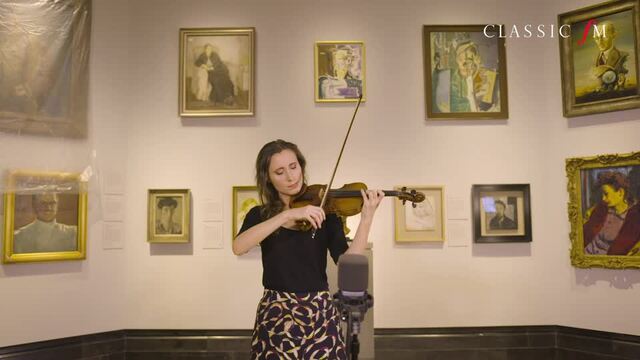
Jennifer Pike performs The Lark Ascending by Vaughan Willams
American composer Amy Beach made history, or we should probably say ‘herstory’, when she became the first American woman to publish a symphony.
By the age of one she’s said to have been able to sing 40 different songs, and apparently a year later was harmonising the lullabies her mother sang to her. Beach would start her composing career astonishingly early too.
As she developed as a brilliant pianist and composer, she didn’t get the advantage of her male peers of being sent to Europe to study composition with the masters there – it wasn’t fitting of her status as a woman – but nevertheless thrived on local tuition. In 1896 her ‘Gaelic’ Symphony became the first symphony by an American woman to be published, and was premiered by the Boston Symphony Orchestra.
Read more: Amy Beach, the first American woman to publish a symphony
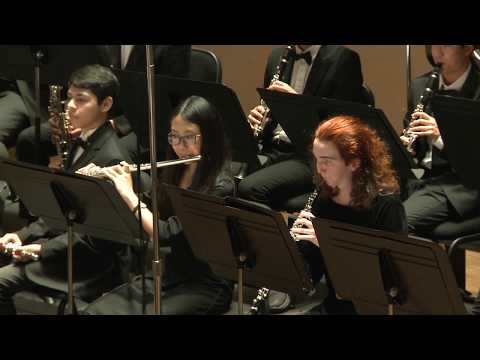
Amy Beach: Gaelic Symphony
By the time he was 12, German composer Mendelssohn already had four operas, 12 string symphonies and a large quantity of chamber and piano music under his belt.
He was prodigiously talented, and he continued to produce stunning music as his career progressed.
He really made his mark with the String Octet of 1825 and the magical overture to A Midsummer Night’s Dream. And his Violin Concerto in E minor, ‘Scottish’ Symphony No. 3 and The Hebrides overture remain solid concert hall favourites.
Mendelssohn is also responsible for reviving interest in the work of all-time-great, J.S. Bach – right at the top of this list – so we owe him a lot.
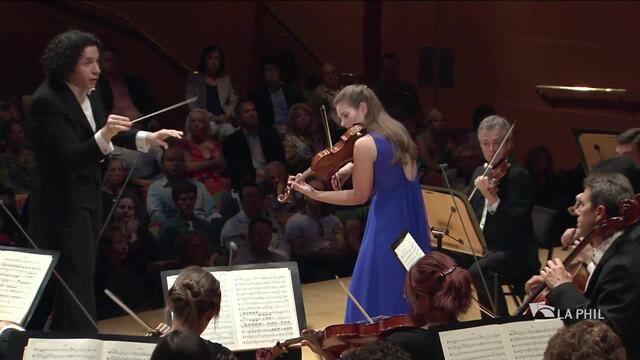
Janine Jansen and Gustavo Dudamel - Mendelssohn Violin Concerto
Russian great Shostakovich’s career was defined by the Soviet era, and specifically Soviet favour – the Symphony No. 5 was held up as a Stalinist triumph – and then Soviet disapprobation, when he was denounced as decadent and non-patriotic.
He wrote 15 symphonies, numerous operas and ballets, and instrumental and orchestral works, as well as soundtracks for early cinema.
Read more: 10 of the best 20th-century composers
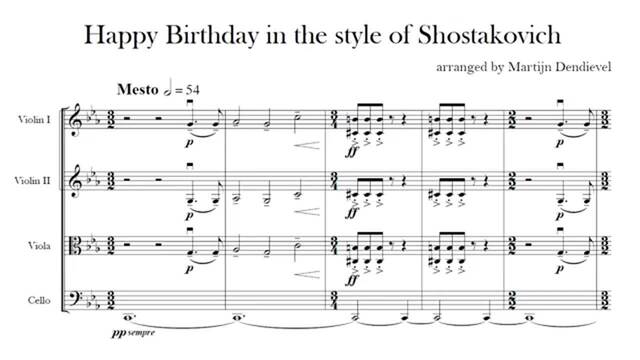
Happy Birthday, in the style of Shostakovich
Going back a little to the Romantic era now, and Johannes Brahms undoubtedly defined the period.
Without the deep drama and fire-and-brimstone revolution of Beethoven, perhaps, and no flash and virtuosity of the likes of Liszt and Chopin, Brahms was a dignified symphonist, and a truly great composer of chamber music and piano pieces.
With his music critic hat on, Robert Schumann (see above) was a supporter of Brahms, calling him “the young eagle” who “has arrived, a young man at whose cradle the Graces and Heroes have stood guard".

Brahms' Hungarian Dance No.5
Antonín Dvořák was a Czech composer of dazzling late Romantic orchestral music.
A champion of folk idioms of Moravia and his native Bohemia, Dvořák is celebrated for works like his Slavonic Dances, and his Symphony No. 9 ‘From the New World’.
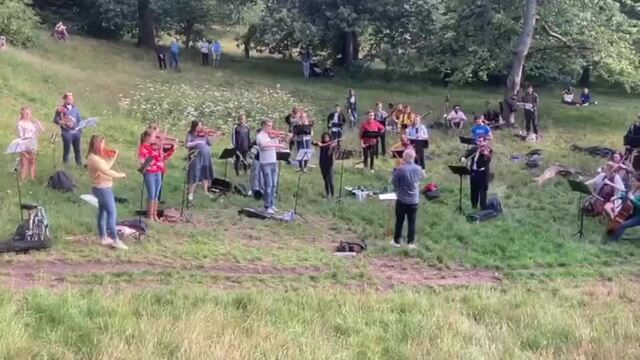
Dvořák in Greenwich Park
Russian composer Rachmaninov’s ravishing piano concertos remain firm favourites in concert halls and are celebrated for their beautiful melodies and daring complexity still today – including in the Classic FM Hall of Fame and Ultimate Classic FM Hall of Fame, which this year placed the composer’s Concerto No.2 at No.1.
In 1931, when he’d composed The Bells, Rachmaninov’s music was officially banned in the USSR as ‘decadent’ and the composer was described as a “violent enemy of Soviet Russia”.
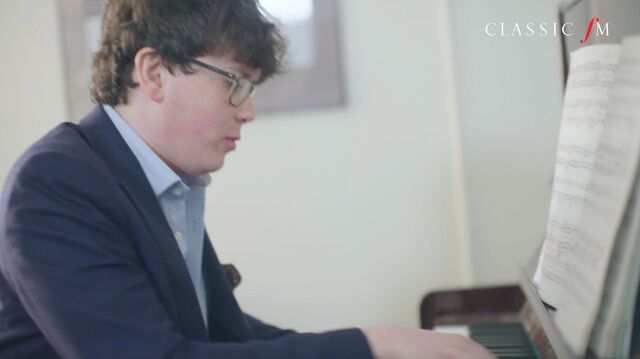
Martin James Bartlett plays Rachmaninov's 'Piano Concerto No. 2'
American composer, Philip Glass, champions minimalism in music.
Minimalism is a genre where composers take a simple musical idea – it can be a rhythm, or a set of notes – and repeat it again and again, with very slow variation or development taking place throughout a piece.
Glass studied composition with Darius Milhaud and Nadia Boulanger, among others, and found his distinctive voice with works like the opera Einstein on the Beach and his chamber music work Glassworks, as well as music for film including Koyaanisqatsi, The Hours and Notes on a Scandal.
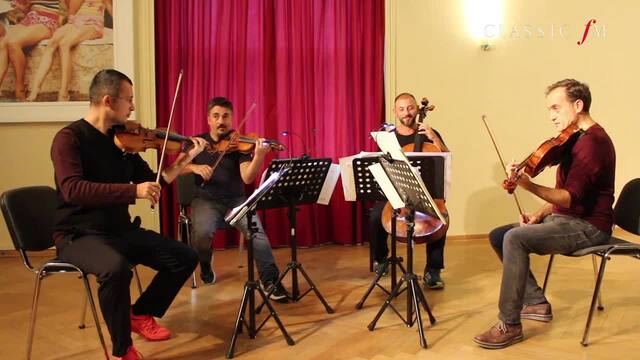
Borusan Quartet - String Quartet No. 2 (Philip Glass)
20th-century American composer and conductor, Leonard Bernstein, was as prolific at composing for the concert hall as he was for film and TV.
West Side Story and Candide electrified the stage, and his work in TV, bringing classical music to the masses through 53 televised Young People’s Concerts, introduced an entire generation to classical music.
Read more: Bradley Cooper’s Bernstein biopic is officially coming to Netflix
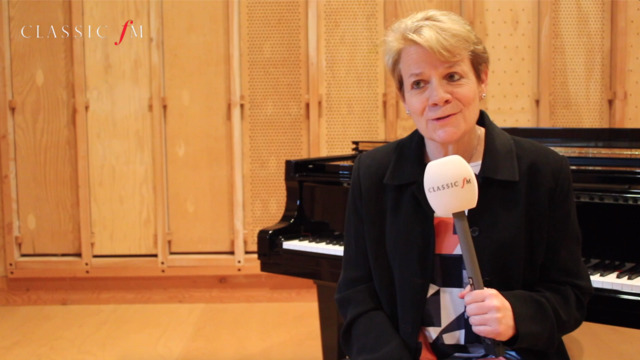
Marin Alsop on her musical hero, Leonard Bernstein
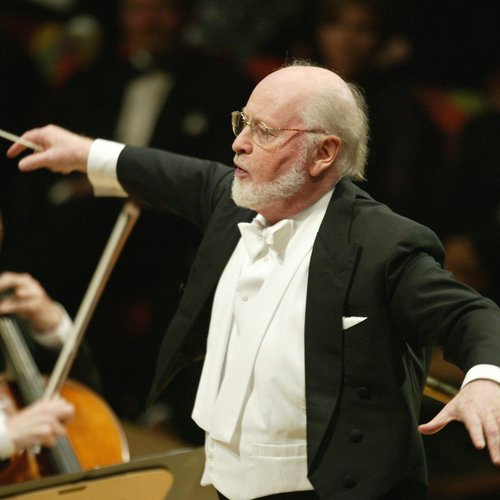
John Williams is an American film composer, responsible for writing the music that accompanies some of the world’s most beloved on-screen memories.
E.T. phoning home in the 1980s? Yep, Williams was with us. Dinosaurs stomping through a misjudged theme park in Jurassic Park in the 1990s? Williams again.
Broomsticks swerving and snitches flitting around the wizard Harry Potter in the 2000s? Again, we’re glad they called Williams.
A true legend and perfecter of the craft of 20th and 21st-century film music.
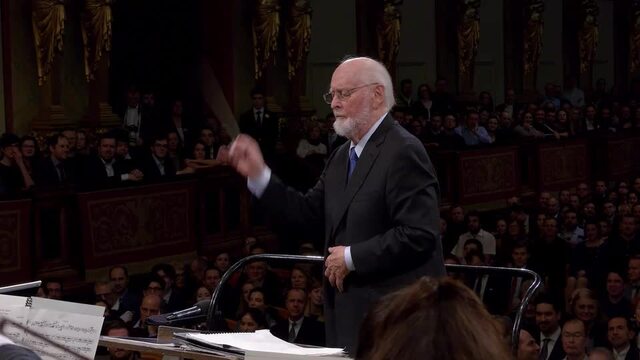
John Williams conducts the Vienna Philharmonic in the 'Imperial March'